Nutrition for Every Phase of Your Cycle and Life: A Cycle-Syncing Guide for Busy Women…
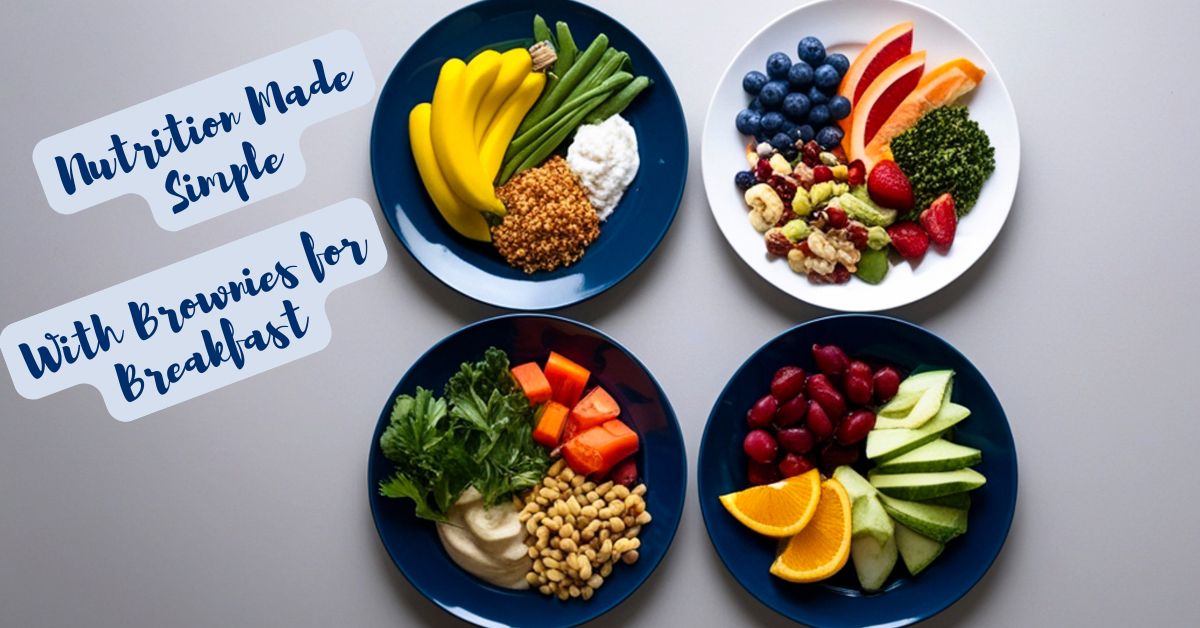
Nutrition Made Simple with Brownies for Breakfast
There is one thing that falls off the schedule: between back-to-back meetings, household chores, work travel, and endless to-do lists.
That is, healthy home-cooked meals. which often fall to the bottom of our priority list. Tight schedules can lead to skipped meals, vending machine runs, or reliance on fast food.
But eating well doesn’t have to be complicated or time-consuming. You don’t need to spend four hours on a Sunday afternoon to set yourself up for success.
Because food is way more than nutrition, its love, its culture, and its family time.
Let’s dive into actionable strategies to help you fuel your body effectively—even when your schedule is packed to the brim.
Eating better in a busy life comes down to convenience and consistency. Instead of overhauling your diet overnight, focus on batch-cooking large staples, using frozen and canned vegetables for quick assembly, and snacking intentionally to avoid skipping meals.
You can sustainably improve your nutrition while juggling a packed schedule by trying these practical, time-saving strategies shared by our guest Lynne Bowman
- Simplify Your Breakfast Choices:
- Start your day with nutritious ingredients. Transform deeply loved foods like brownies by using alternatives such as pure cocoa, canned pumpkin, and nut butter instead of refined ingredients.
- Selective Sweeteners: Opt for natural sweeteners like monk fruit or allulose to maintain flavor without the health drawbacks of processed sugar.
These two choices will help you lose excess body fat and lead to a healthier weight.
- Read Food Labels Meticulously:
- Be vigilant about reading labels and striving for whole foods with minimal ingredients. Familiarize yourself with those you cannot pronounce and strive for real, whole foods that contribute to your nutrition rather than detract from it.
- Incorporate More Plant-Based Foods:
- Add nutrient-rich foods like parsley and watercress to your meals. These greens can enhance flavor, provide essential nutrients, and easily grow at home.
- Emphasize a diet of mostly plants, reducing reliance on processed foods, which are often laden with hidden sugars and preservatives.
- Make Meal Prep a Family Affair:
- Include your children in meal preparation to foster healthy eating habits from a young age. Cooking together not only leads to healthier dining but enhances valuable family connections.
- Manage your Dietary Habits:
- Consider lifestyle variations, such as not eating beyond the afternoon, to support healthier eating habits and allow your body’s natural cleansing process.
If you’d like to learn more on the topic. Listen to my conversation with Lynne Bowman on the 9 to 5 Wellness podcast.
Related Posts