On a recent Q&A episode of the 9 to 5 Wellness podcast, a listener named…
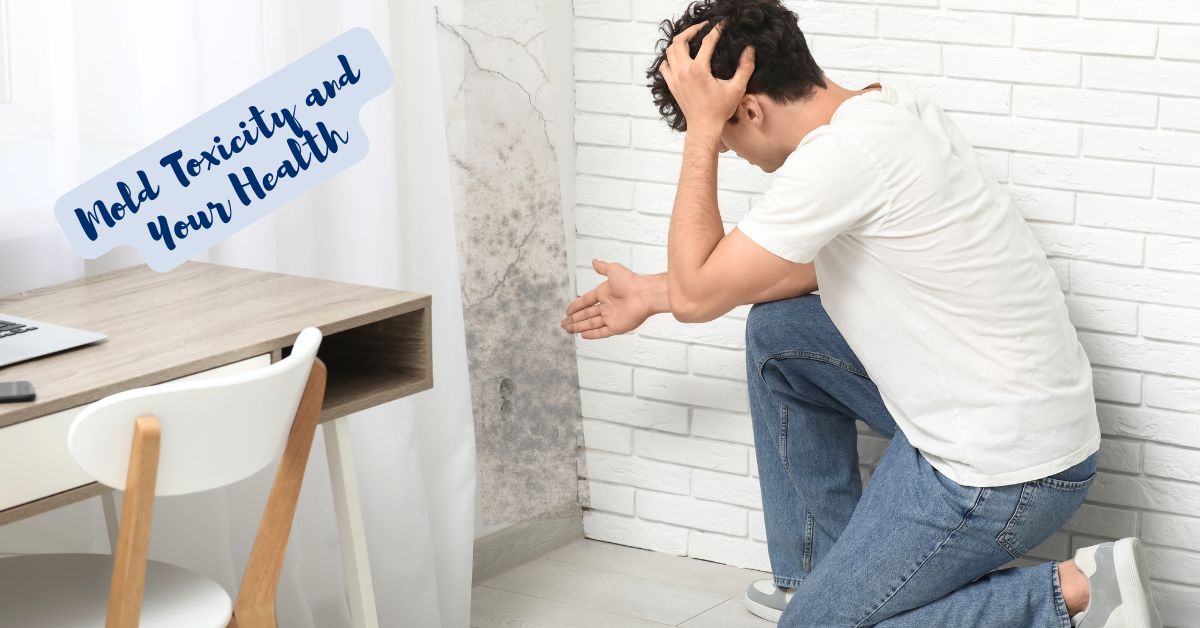
Mold Toxicity and Your Health
Many of my patients complain of headaches that don’t go away, or chronic gut issues that no one can explain. Some complain of neurologic symptoms. And some complain about respiratory issues like allergies that run year round. That’s what led to the intriguing world of mold toxicity and your health, Our guest, Dr. Diana Stafford, a seasoned expert in gut health and mold illness, listeners dove deep into the often-overlooked health challenges posed by mold exposure.
Identifying the Problem
Mold toxicity is an insidious health issue that often leaves many scratching their heads, including healthcare professionals. Dr. Stafford explains that its symptoms are vast and can affect each person differently due to factors such as genetics, gut health, and environmental exposures. Common symptoms include respiratory issues, such as chronic sinusitis, neurological problems like brain fog, and even unexpected conditions like interstitial cystitis.
Toxins circulating throughout can cause mold toxicity which is a issue of inflammation, immune system suppression, or what we call dysregulation, so it’s either too active or not active enough, your immune system. Or things like neurologic symptoms, skin symptoms, urinary symptoms, hormone imbalances.
Recognizing Mold Exposure
Our everyday environments could be a breeding ground for mold without us even realizing it.
we can commonly actually be exposed to mold in our indoor environments, home, work, school, car. I’m talking about any indoor environment.
Mold thrives wherever there’s moisture, making areas like bathrooms, basements, and even your car potential hosts for these harmful fungi. Dr. Stafford emphasizes that while mold is naturally occurring and not inherently dangerous, prolonged exposure—especially to mycotoxins released by mold—can lead to a host of health problems.
Steps to Address Mold Toxicity
Understanding how to combat mold toxicity requires a comprehensive approach.
Dr. Stafford explains why the order of your recovery matters and shares her gentle, science-backed approach to reclaiming your health from chronic mold illness. Here are the three pillars of Dr. Stafford’s framework-
Pillar 1: STABILIZE – Calming the System First
Pillar 2: OPTIMIZE – Prepping Your Detox Pathways
Pillar 3: CLEAR – Safe Mobilization and Binders
Here are a few steps involved in diagnosis and recovery from mold toxicity:
Get Proper Testing: Traditional medical tests often fail to detect mold toxicity. Consider urine mycotoxin tests to directly identify toxic mold exposure. Work with a mold-literate practitioner who can tailor tests to your unique symptoms and circumstances.
Optimize Your Environment: Hire professional mold assessors, or if that’s not feasible, inspect moisture-prone areas like your HVAC system, basement, or crawl spaces. Dehumidifiers and air purifiers can help mitigate issues while you address structural mold concerns.
Healing with Diet: Transition to an anti-inflammatory diet, focusing on low sugar and whole, unprocessed foods. Dr. Stafford underscores the importance of ‘eating the rainbow’—consuming a variety of colorful fruits and vegetables to boost your immune system and reduce inflammation.
Stabilize with Supplements: Consider supplements to aid detoxification processes, such as glutathione – known for its antioxidant properties – and specialized binders to help remove toxins from your system. These should be part of a comprehensive plan developed with your healthcare provider.
Adopt a Positive Mindset: Embrace a proactive, hopeful attitude towards healing. Mold toxicity can be daunting, but remember, your body is resilient. A positive mindset significantly contributes to the effectiveness of any treatment plan.
Bottom Line
While mold toxicity is a complex issue, understanding the symptoms and proactively addressing potential mold exposure can lead to significant health improvements. Tune into this episode with Dr. Diana Stafford for an in-depth discussion.
Disclaimer: This blog post serves educational purposes and is not a substitute for professional medical advice. Always consult a healthcare provider for personalized medical advice.
This post was originally a 9 to 5 wellness podcast.
Related Posts