If you're a dad, your calendar probably doesn't belong to you. Between school drop-offs, work…
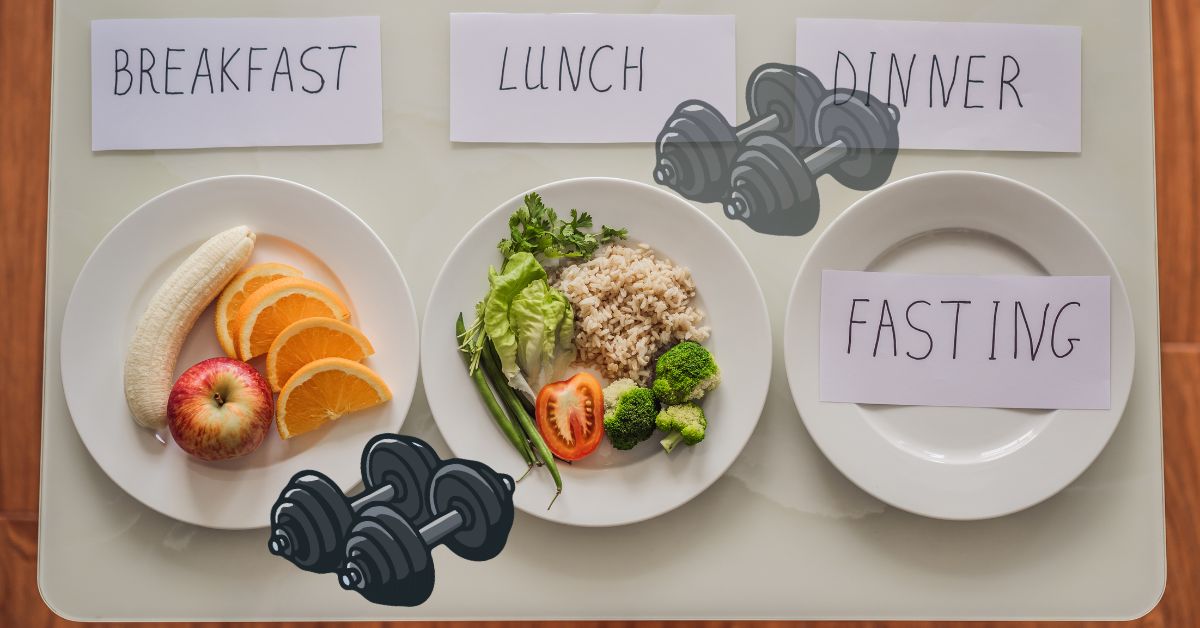
Intermittent Fasting and Workouts: Finding the Right Balance for Your Goals
Intermittent fasting has become one of the most talked-about wellness strategies in recent years. From workplace break rooms to doctor’s offices and social media feeds, people are discussing the benefits of fasting and whether it can help with weight loss, energy levels, and overall health. As discussed on the 9 to 5 Wellness Podcast, one question comes up more than almost any other: Should you work out while fasting, and what happens afterward?
The answer isn’t as simple as “yes” or “no.” Understanding the relationship between intermittent fasting, fasted workouts, and your body’s energy needs can help you decide what approach works best for your goals.
What Is Intermittent Fasting?
One of the biggest misconceptions about intermittent fasting is that it’s a diet. It isn’t. Intermittent fasting is an eating pattern that focuses on when you eat rather than what you eat. The goal is to alternate between eating windows and fasting windows throughout the day or week.
Popular approaches include:
- The 16:8 method, where you fast for 16 hours and eat within an 8-hour window.
- The 5:2 approach, where calorie intake is reduced on two days each week.
- The Eat-Stop-Eat method, which involves a 24-hour fast once or twice weekly.
During fasting periods, insulin levels decrease, encouraging the body to use stored fat for energy. Fasting also activates a process called autophagy, often described as the body’s cellular cleanup system.
Can You Exercise While Fasting?
The short answer is yes.
Many people successfully perform fasted workouts, particularly lower-intensity activities such as walking, hiking, or steady-state cardio. However, the intensity of your workout and your goals matter significantly.
When you exercise in a fasted state, your body is already adapting to the stress of fasting. Exercise creates another form of stress that requires recovery. While both can be beneficial independently, combining intense exercise with prolonged fasting may not always support optimal performance or recovery.
Understanding Your Energy Needs
One of the most important considerations is your body’s energy needs after training.
If your goal is to build muscle, increase strength, or improve athletic performance, your muscles require nutrients to recover and rebuild after exercise. For this reason, timing your workout near the end of your fasting window can be beneficial because it allows you to eat a substantial meal shortly afterward.
Many people try to pursue fat loss and muscle gain simultaneously. While both are worthwhile goals, there are trade-offs. If muscle growth is a priority, post-workout nutrition becomes increasingly important. Consuming protein and carbohydrates after training helps support recovery and muscle development.
This is where many professionals struggle. Busy schedules often make it difficult to coordinate meals around workouts. In those cases, it may be necessary to decide which goal takes precedence and adjust your fasting schedule accordingly.
Fasted Workouts and Recovery
For individuals who prefer to remain in a fasted state after exercise, some practitioners use branched-chain amino acids (BCAAs) to support muscle recovery. The podcast discussion highlights that consuming essential amino acids after an intense workout can help provide building blocks for muscle repair, although doing so technically breaks a fast.
The key takeaway is that recovery matters.
If you’re completing high-intensity interval training, heavy strength training, or endurance sessions, your body needs adequate fuel to repair tissues and adapt positively to the training stimulus.
Intermittent Fasting and Improved Immunity
One of the most interesting topics discussed on the podcast was the relationship between intermittent fasting and improved immunity.
Research suggests that fasting may support gut health, hormone regulation, and cellular cleanup processes. The digestive system, often referred to as the body’s “second brain,” communicates constantly with the nervous system and influences inflammation, mood, and immune function.
Combining intermittent fasting with a high-fiber diet may further support immune health because beneficial gut bacteria convert fiber into short-chain fatty acids that help strengthen the intestinal barrier and support immune cells.
Fasting may also encourage a healthier gut microbiome and promote autophagy, which helps remove damaged cellular components. These mechanisms may contribute to a stronger, more resilient immune system.
However, it’s important to recognize that fasting is not a guarantee against illness. Immune health is influenced by many factors, including sleep, nutrition, stress management, and genetics.
When Fasting and Exercise Can Backfire
While intermittent fasting can be a valuable tool, more isn’t always better.
Over-fasting combined with high-intensity workouts and severe calorie restriction may increase stress hormones such as cortisol. Elevated stress levels can negatively impact recovery and may even suppress immune function over time.
This is why many experts recommend balancing fasting with appropriate training volume and recovery rather than trying to maximize every benefit at once.
The Bottom Line
Intermittent fasting can be an effective strategy for managing weight, improving metabolic health, and potentially supporting improved immunity. But when it comes to fasted workouts, your approach should align with your goals.
If your primary objective is fat loss, moderate fasted exercise may fit well within your routine. If building muscle and strength is your priority, your body’s energy needs after training should guide your meal timing and recovery strategy.
The best wellness plan is not the one that works for someone else—it’s the one that supports your goals, fits your schedule, and helps you stay healthy for the long term. As with most things in health, success comes from finding the right balance rather than chasing extremes.
This post can also be adapted for SEO around additional keywords such as fasted cardio, workplace wellness, gut health, metabolic health, muscle recovery, autophagy, and immune system support.
Research Studies Referenced:
Beneficial effects of intermittent fasting: a narrative review
Exercise Training and Fasting: Current Insights
This post was originally a 9 to 5 wellness podcast.
Related Posts