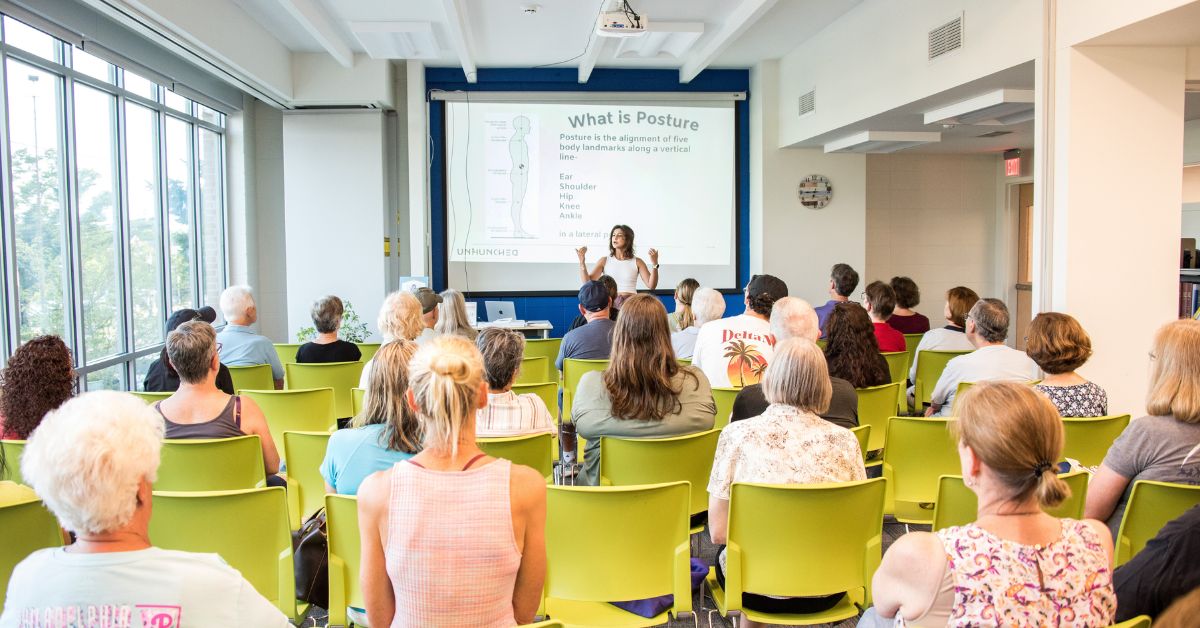
Why Corporate Wellness Workshops Matter By Aesha Tahir, host of the 9 to 5 Wellness…

Using the 5 Love Languages to Build Stronger Teams
Using the 5 Love Languages to Build Stronger Teams
Employee wellness conversations often focus on lowering work stress and boosting productivity. While these areas are important, there is another critical component that influences workplace satisfaction, engagement, and retention: relational wellness.
Relational wellness is the quality of the connections people have with their colleagues, managers, and teams. It shapes how employees feel when they come to work each day, how supported they feel during challenging times, and whether they experience a true sense of belonging within the organization.
In today’s fast-paced work environment, where burnout and disengagement are common challenges, leaders who intentionally strengthen workplace relationships can create healthier, more resilient teams. One surprisingly effective framework for doing this comes from an idea originally developed for personal relationships: The 5 Love Languages.
While the concept was never intended for the workplace, its core principle translates remarkably well: people feel valued in different ways. Understanding how employees prefer to receive appreciation can improve employee recognition, boost morale, and strengthen workplace culture.
Why Relational Wellness Matters
Research consistently shows that employees who feel connected to their colleagues are more engaged, productive, and committed to their organizations. Positive workplace relationships contribute to:
- Higher employee engagement
- Greater job satisfaction
- Reduced burnout
- Improved collaboration
- Stronger employee belonging
- Better retention rates
Quote – “The often-repeated phrase, “People leave managers, not companies,” highlights the importance of everyday interactions. Employees want to feel seen, appreciated, and respected. When recognition is delivered in ways that resonate personally, its impact becomes much more meaningful.”
Applying the 5 Love Languages at Work
Embed Youtube Video- https://youtube.com/shorts/tCyw5oGK7tE
1. Words of Affirmation: The Power of Recognition
Some employees feel most appreciated through verbal acknowledgment and positive feedback.
In the workplace, this can look like:
- Giving specific public praise during team meetings
- Writing LinkedIn recommendations
- Sending detailed thank-you emails
- Highlighting accomplishments in company newsletters
- Recognizing contributions during presentations
The key is specificity. Instead of saying, “Great job,” explain exactly what was valuable and why it made a difference.
For many employees, sincere words of affirmation can be one of the most powerful forms of employee recognition.
2. Quality Time: Being Fully Present
In an era of constant notifications and overflowing calendars, focused attention is a valuable gift.
Employees who value quality time appreciate opportunities for meaningful connection such as:
- Regular one-on-one check-ins
- Mentorship conversations
- Team lunches or coffee meetings
- Active listening without distractions
- Career development discussions
Quality time demonstrates that people are more than their job titles or task lists. It shows genuine interest in their growth, challenges, and success.
When leaders make time for meaningful conversations, trust grows and workplace relationships deepen.
3. Acts of Service: Supporting Others Through Action
For some employees, actions speak louder than words.
Acts of service in the workplace might include:
- Helping a colleague complete a demanding project
- Removing obstacles that prevent progress
- Providing additional resources during busy periods
- Offering guidance when someone feels stuck
- Covering responsibilities during an absence
Leaders who practice acts of service demonstrate that they are invested in their team’s success. This approach creates a culture of support rather than competition.
Employees who feel supported are less likely to experience burnout and more likely to collaborate effectively.
4. Tangible Gifts: Celebrating Milestones
While appreciation does not have to be expensive, thoughtful gifts can reinforce recognition and celebrate important achievements.
Examples include:
- Bringing in morning coffee for the team
- Providing company swag
- Offering gift cards for milestone achievements
- Sending handwritten notes
- Celebrating birthdays and work anniversaries
The value isn’t necessarily in the item itself. It is the thoughtfulness behind the gesture that communicates appreciation.
When done authentically, tangible gifts can help employees feel valued and remembered.
5. Physical Touch: Keeping It Professional
Physical touch requires careful consideration in professional settings and should always remain appropriate and respectful.
Workplace examples may include:
- A professional handshake
- A high-five after a successful project
- A celebratory fist bump
- Team victory gestures during events
Not everyone is comfortable with physical interaction, so leaders should be mindful of personal preferences and workplace policies.
The goal is not physical contact itself, but rather creating moments of positive connection and shared celebration.
Building a Culture of Belonging
One of HR’s biggest challenges is creating an environment where employees feel they genuinely belong. Recognition programs often fail because they assume everyone wants appreciation delivered the same way.
Some employees thrive on public recognition. Others value private conversations. Some appreciate practical support more than praise.
By understanding how individuals prefer to receive appreciation, organizations can make employee recognition more meaningful and effective.
The result is a workplace culture built on authenticity, trust, and connection.
Practical Steps for Leaders
If you want to strengthen relational wellness within your organization:
- Ask employees how they prefer to receive recognition.
- Train managers to personalize appreciation.
- Schedule regular relationship-building conversations.
- Celebrate both achievements and effort.
- Encourage peer-to-peer recognition across teams.
These simple practices can significantly improve employee engagement while reducing feelings of isolation and burnout.
The Bottom Line
Relational wellness is not a soft skill—it’s a business advantage. Organizations that invest in strong workplace relationships create environments where people feel valued, connected, and motivated to contribute their best work.
The 5 Love Languages offer a practical framework for understanding what appreciation looks like for different people. When leaders learn how their teams prefer to receive recognition, they create stronger relationships, greater psychological safety, and a workplace culture where employees can truly thrive.
Because at the end of the day, people may remember the projects they completed, but they never forget how their workplace made them feel.
This post was originally a 9 to 5 wellness podcast.
Related Posts