Most people want the same thing as they get older: to keep feeling capable, energetic…
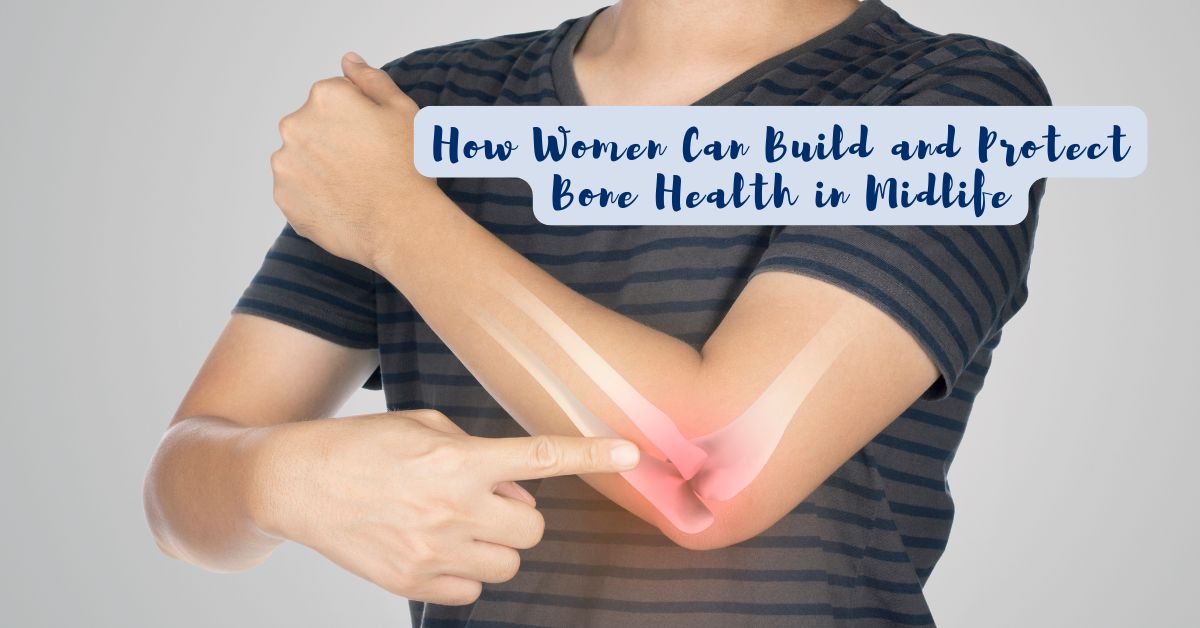
How Women Can Build and Protect Bone Health in Midlife
As we age, maintaining strong bones becomes an increasingly important health priority, especially for women. Dr. Renee Fogelberg, an OB/GYN with over 26 years of experience in women’s health explains bone health as a silent health crisis. In this blog you can learn how women can build and protect bone health in midlife.
The Silent Crisis of Bone Loss in Midlife Women
Bone health often diminishes quietly, known as the “silent health crisis.” Many women don’t recognize the urgency until much later because bone loss goes unnoticed without immediate symptoms. By the time fragility fractures occur or height is noticeably reduced, significant damage may have already been done.
Women have no indicator that they’re losing bone mass. Until you have that fragility fracture, until you fall and then are really impaired.”
– Dr.Fogelberg
Why Bone Health Declines
Estrogen Decline:
We see a stark reduction in estrogen levels during perimenopause, which disrupts bone remodeling processes. Estrogen helps maintain a balance between bone formation and bone resorption. When its level drops, the scale tips towards bone loss.
So the interesting thing about perimenopause, and what we know from the SWAN study, is that there is suddenly a loss of estrogen, and we know that estrogen plays a critical role in managing bone strength. Because there’s this balance between resorption by the, what we call osteoclasts, and bone building, or osteoblasts. And so when you see that drop in estrogen, suddenly that balance is off, and you’re going to start getting more of the resorption or the bone breakdown.” – – Dr.Fogelberg
Early Prevention:
Peak bone mass is typically reached between ages 20 and 30. Hence, it’s vital to adopt bone-strengthening habits early in life to mitigate risks later.
Genetic Factors:
Family history can significantly impact bone health. Early diagnostic testing is crucial for those with a genetic predisposition to osteoporosis or fractures.
Why Should Women Consider Hormone Replacement Therapy?
Hormone Replacement Therapy (HRT) is FDA-approved for preventing bone loss and has shown impressive results in reducing the risk of osteoporosis. Starting HRT within 10 years of menopause can significantly bolster bone density, offering a promising option for long-term bone health maintenance.
Actionable Tips to Protect Bone Health
Increase Calcium and Vitamin D Intake:
Prioritize dietary sources rich in calcium and vitamin D. Consider supplements if necessary, ensuring you’re getting 1,200 mg of calcium daily post-menopause.
Engage in Resistance Training:
Incorporate weight-bearing exercises, such as strength training with free weights, into your routine. These activities create the necessary stimulus on your bones to maintain their density.
Focus on Balance Training:
Simple balance exercises, like standing on one foot while brushing your teeth, can enhance stability and reduce fall risk.
Regular Screening:
Advocate for an early DEXA scan if you have risk factors. Use tools like the FRAX assessment to gauge your fracture risk with or without bone density scores.
Consult Your Healthcare Provider:
Regularly discuss with your provider about potentially utilizing pharmacotherapy, including HRT, to manage and prevent significant bone health decline.
Bone health requires vigilance and proactive management, particularly as women transition through menopause. Adopting these practices early and discussing hormonal and lifestyle interventions with your healthcare provider can lead to stronger, healthier bones throughout your life. For more insights, listen to our full discussion with Dr. Fogelberg on this topic. Your bones are built to last, and with the right care, they can remain strong and supportive well into your later years.
For a more in-depth conversation on bone health and practical tips for maintaining it, tune into the full podcast episode.
Research Studies Referenced:
Bone Health- https://pmc.ncbi.nlm.nih.gov/articles/PMC7485021/
Peak bone mass in young women- https://pubmed.ncbi.nlm.nih.gov/7639106/
Effects of Resistance Exercise on Bone Health- https://pmc.ncbi.nlm.nih.gov/articles/PMC6279907/
Correlation of Muscle Mass and Bone Mineral Density – https://pmc.ncbi.nlm.nih.gov/articles/PMC9524880/
Books on the Topic:
Great Bones: Taking Control of Your Osteoporosis
This post was originally a 9 to 5 wellness podcast.
Related Posts